


- Safe Responsible Movers: Your Trusted Relocation Partner
When it comes to relocating, whether for personal or professional reasons, finding the right moving company can make all the difference. Safe Responsible Movers is dedicated to providing high-quality moving services that prioritize safety, reliability, and customer satisfaction. In today’s fast-paced world, where moving can often be stressful and chaotic, choosing a moving company that embodies these values is essential for a smooth transition.
Safe Responsible Movers understands that moving is not just about transporting boxes from one location to another. It’s a comprehensive process that requires careful planning, efficient execution, and a commitment to protecting your belongings. This company prides itself on its attention to detail and customer-focused approach, ensuring that each move is handled with the utmost care. From packing fragile items to transporting heavy furniture, their trained professionals are equipped to manage every aspect of your relocation.
One of the key elements that sets Safe Responsible Movers apart from the competition is their dedication to safety. Moving can involve risks, such as potential injuries or damage to property. However, Safe Responsible Movers implements strict safety protocols to mitigate these risks. Their team is trained in safe lifting techniques, proper packing methods, and the use of specialized equipment, ensuring that both your belongings and their staff remain protected throughout the moving process.
In addition to safety, responsibility is a core value of Safe Responsible Movers. They believe in being accountable not just for the physical handling of your possessions but also for the impact their operations have on the environment. The company utilizes eco-friendly packing materials and practices sustainable moving methods, minimizing their carbon footprint while still delivering top-notch service. This commitment to responsibility resonates with clients who are conscious of their environmental impact and want to choose a mover that aligns with their values.
Customer satisfaction is paramount at Safe Responsible Movers. The company goes above and beyond to ensure that clients are not just satisfied, but truly happy with their moving experience. They offer personalized moving plans tailored to meet individual needs, whether it’s a local move or a long-distance relocation. With transparent pricing and no hidden fees, customers can feel confident that they are receiving exceptional value for their investment. This focus on transparency and communication helps build trust, making Safe Responsible Movers a reliable choice for anyone looking to move.
The range of services offered by Safe Responsible Movers is designed to accommodate various needs. Whether you’re a student moving into your first apartment, a family relocating to a new home, or a business transitioning to a different office space, their team is ready to assist you. They provide packing and unpacking services, loading and unloading, and even storage solutions for those who need a temporary place for their belongings. This versatility makes them a one-stop shop for all your moving needs.
In addition to their comprehensive service offerings, Safe Responsible Movers places a strong emphasis on effective communication. From the initial consultation to the final delivery of your belongings, their team keeps you informed every step of the way. Clients are provided with updates about the moving schedule, any potential delays, and confirmation of delivery times. This level of communication not only reduces anxiety but also ensures that customers know exactly what to expect during their move.
Another notable aspect of Safe Responsible Movers is their commitment to professionalism. The movers are not only trained in the technical aspects of moving but also in customer service. They understand that moving can be a significant life event, and their goal is to provide a supportive and understanding presence throughout the process. This professionalism is reflected in their punctuality, appearance, and demeanor, contributing to an overall positive moving experience.
Furthermore, customer reviews and testimonials speak volumes about the quality of service provided by Safe Responsible Movers. Many clients highlight the efficiency and care with which their belongings were handled, as well as the friendliness and professionalism of the staff. These positive experiences reinforce the company’s reputation as a trustworthy and responsible mover, making it a preferred choice for many in need of relocation services.
As you prepare for your next move, consider the advantages of working with Safe Responsible Movers. Their dedication to safety, responsibility, and customer satisfaction creates an environment where your moving experience can be as smooth and enjoyable as possible. By entrusting your relocation to a company that prioritizes these values, you can focus on what truly matters—starting the next chapter of your life in a new space without the stress that often accompanies moving.
In conclusion, Safe Responsible Movers stands out in the moving industry for its unwavering commitment to safety, responsibility, and customer care. With a wide range of services tailored to meet diverse needs, a focus on effective communication, and a professional approach, they have earned the trust of countless clients. So, as you plan your next move, remember that Safe Responsible Movers is ready to be your reliable partner, ensuring a safe and seamless transition to your new home or office.
- How to Implement Effective Junk Removal Local SEO
Junk removal local SEO is the process of optimizing a junk removal website to rank higher in search engine results for specific cities and neighborhoods. This is a powerful tool for junk removal companies because it helps them capture leads from customers who are searching for services in their area. However, implementing the right SEO strategy requires knowledge of the latest trends and best practices in order to achieve success.
Effective junk removal local SEO starts with a detailed keyword analysis. Use a tool like Ubersuggest to find relevant keywords for your business and its service areas. For example, a junk removal company that serves the entire city of Miami may want to target long-tail keywords such as “Miami Garage Cleanout Service” or “Miami Attic Cleanout Service”.
Next, you need to create a list of all the services your junk removal business offers and the respective keywords for each. Then, you need to optimize each page on your junk removal website for these keywords. This can be done by using on-page SEO strategies such as keyword optimization, title tag optimization, image alt text, and internal linking. In addition, you can enhance the user experience of your site by ensuring that pages load quickly and have easy-to-read content.
Lastly, it is crucial to monitor your junk removal SEO progress and make adjustments as necessary. By using tools such as Google Analytics and Search Console, you can track your SEO performance over time. This will help you to determine what is working and where there are gaps in your marketing strategy.
Optimizing the images on your junk removal website is another important way to improve your local search rankings. By reducing the file size, using descriptive file names, and adding relevant alt text, you can increase your search engine visibility.
It is also important to make sure that your junk removal business’s local listings and citations are accurate and complete. This will ensure that your business appears in local map packs and search results when potential customers are looking for your services. Finally, it is essential to encourage satisfied customers to leave positive reviews on your Google My Business listing and other online platforms.
In the ever-evolving world of junk removal SEO, staying up to date on new trends and techniques is essential for businesses that want to thrive. Emerging technologies such as voice search optimization and artificial intelligence-driven algorithms will shape the future of junk removal SEO. By staying up to date on these trends and experimenting with new strategies, junk removal companies can ensure that they are at the forefront of their industry.
- What I Watch for Before a Dumpster Hits a Cape Cod Driveway
I have spent years handling residential cleanouts and small renovation jobs around Cape Cod, and I have learned that dumpster placement can affect a project almost as much as the container size. I work mostly with older homes, seasonal properties, garage cleanouts, roofing debris, and remodeling waste, so I have seen plenty of jobs where a simple delivery became difficult because nobody checked the site first. Cape properties have their own quirks, from narrow driveways to sandy shoulders and limited parking near busy summer roads. I usually spend ten minutes looking at access before I worry about anything else.
I Choose the Container Around the Actual Debris
I rarely pick a dumpster size based only on the square footage of a house. A 1,500-square-foot cottage being emptied after years of seasonal use can produce more bulky material than a much larger home getting a simple bathroom renovation. Furniture, old mattresses, broken shelving, cabinets, and boxes take up space differently from shingles or construction scraps. I want to know what is leaving the property before I decide what should arrive.
On one cleanout last fall, I worked at a house where the owner expected a relatively small load because most rooms looked almost empty. Once we opened the basement storage area, we found old patio furniture, damaged cabinets, rolls of carpeting, and several large pieces that had been stored for years. The pile grew fast. We would have lost half a day if we had started with a container that was too small.
Heavy debris requires a different calculation. Roofing shingles, concrete, brick, soil, and similar materials can push a container toward its weight limit long before the box looks full. I have seen crews assume they could fill a large roll-off to the top with dense material, only to realize that transportation limits made that approach impractical. Weight matters more than appearance.
I also ask how the material will be loaded. If two people are carrying furniture from a house, I usually prefer a setup that gives them a clear walking route and easy access to the dumpster door. If a roofing crew is tossing lighter debris from one side of a building, placement may be based more on roof access and truck clearance. Those details change the entire setup.
Delivery Access Can Decide Whether the Job Starts Smoothly
I treat the delivery path as part of the project, not as something to figure out after the truck arrives. Cape Cod has plenty of properties with narrow streets, low branches, stone borders, soft shoulders, tight turns, and driveways squeezed between landscaping. A roll-off truck needs more working room than many homeowners expect. An open parking space is not always enough.
For customers who want a local option, I sometimes suggest checking availability for dumpster rental on Cape Cod MA before setting the work schedule in stone. I prefer confirming the container size, delivery window, and access needs before demolition or cleanout work begins. That small bit of planning usually prevents a crew from standing around with debris stacked in the yard.
I once helped with a renovation where the driveway looked wide from the street but narrowed sharply beside the house. A fence post on one side and mature shrubs on the other left very little room for adjustment. The driver could make the placement work, but only after we moved a trailer and changed where two vehicles were parked. Five minutes of preparation would have made the delivery much easier.
Overhead clearance deserves just as much attention. Tree limbs, wires, roof overhangs, and nearby structures can interfere with the truck as the container is being rolled off or picked up. I prefer a clear path with several feet of breathing room rather than trying to squeeze equipment into a marginal spot. Tight placements create unnecessary risk.
Summer traffic can complicate things too. A quiet road in early spring may feel completely different during a busy July afternoon, especially near beaches, village centers, or rental-heavy neighborhoods. I try to schedule deliveries when the property has the least possible vehicle congestion. Timing counts.
I Protect the Driveway Before Loading Begins
I never assume a driveway can handle a loaded roll-off just because cars park there every day. A dumpster spreads weight differently, and the truck delivering it adds another layer of pressure. Older asphalt, thin pavement, soft gravel, and surfaces with existing cracks deserve extra care. I inspect those areas before deciding where I want the container.
For some jobs, I place sturdy boards under the dumpster contact points to help distribute the load and reduce direct metal contact with the surface. That does not make every driveway immune from damage, but it can be a sensible precaution on suitable sites. The condition of the driveway still matters. I would rather change the location than pretend a weak surface is stronger than it is.
Sandy ground is another Cape Cod issue I take seriously. A spot that feels solid while walking across it may respond differently once a heavy truck and loaded container are sitting there. After periods of rain, softer areas can become even less predictable. I stay cautious around shoulders and unprepared ground.
A customer one spring wanted the dumpster placed behind a detached garage because it would keep the front of the property looking cleaner. The access route crossed a soft section of yard that had recently been wet, so I recommended staying on the established driveway instead. It meant carrying debris roughly 30 extra feet. That was still better than dealing with a truck stuck beside the garage.
I Keep the Loading Area Organized
A dumpster can become a problem surprisingly quickly if everyone throws material wherever they feel like it. I tell crews to load with the next hour of work in mind, especially if large furniture or long pieces of lumber are involved. Bulky items dropped carelessly can create empty pockets that waste a lot of container space. I prefer breaking down safe materials first whenever it makes sense.
I also keep the area directly around the dumpster clear. Workers need room to open the door, carry debris, turn around, and move carts without stepping over loose scraps. On a recent garage cleanout, we kept about 6 feet of open working space in front of the container door. That made a noticeable difference once heavier items started coming out.
I do not allow material to pile above the container walls. Loads need to remain manageable for pickup and transportation, and debris sticking above the top can create obvious problems. If the dumpster is filling faster than expected, I would rather stop and reassess than force another room’s worth of material into it. Overloading is rarely worth the trouble.
Certain materials also need separate handling depending on the rental company’s rules and local disposal requirements. I confirm restrictions before the project starts instead of discovering them while the crew is holding an item beside the dumpster. Paints, chemicals, batteries, tires, appliances, and other special materials may have different requirements. A quick question beforehand saves confusion later.
Rental Time Should Match the Pace of the Project
I have found that people often underestimate how long cleanouts take. A homeowner may think a garage will be cleared in one Saturday, but sorting, carrying, deciding what to keep, and dealing with heavy objects can stretch the work into several days. Renovations have the same problem because demolition does not always follow the original schedule. I prefer a rental period with a little breathing room.
That does not mean I want a container sitting on the property for weeks without a reason. I coordinate the delivery close to the point when debris production will actually begin. For a kitchen removal, I might want the dumpster available the morning demolition starts rather than three days earlier. That keeps the site cleaner and makes better use of the rental period.
Seasonal properties require another layer of planning. Owners may be visiting Cape Cod for only a few days, contractors may have tight schedules, and neighbors may have limited tolerance for blocked parking during busy periods. I try to line up the container, labor, and pickup expectations before everyone arrives. Small scheduling gaps become much bigger problems when someone is leaving town on Monday.
Pickup access is easy to forget. A container that was simple to deliver can become difficult to retrieve if someone parks a truck in front of it, stacks lumber beside it, or blocks the approach with landscaping equipment. Before I finish a job, I check that the truck still has a clean route back to the dumpster. I have seen a single parked vehicle delay a pickup.
I Plan Around Cape Cod Properties, Not a Generic Jobsite
Cape Cod has a mix of older cottages, newer homes, vacation rentals, wooded lots, dense village streets, and properties close to water. I approach each one differently because the same dumpster position does not work everywhere. Some houses have plenty of open driveway space, while others barely have enough room for two cars. I rely on what I see at the property rather than assumptions.
Older homes can surprise people during renovation work. Behind one wall there may be multiple layers of material from earlier repairs, and an old shed can contain far more debris than its footprint suggests. I have opened small outbuildings that looked nearly empty from the doorway but held decades of shelving, scrap wood, tools, and forgotten household items. Those discoveries affect both container space and labor.
I pay attention to neighbors as well. If the homes are close together, I avoid blocking shared access and try to keep loose debris from spreading beyond the work area. A container placed 10 feet differently can sometimes make the difference between an easy job and an irritated neighbor. Courtesy is practical.
I also plan for weather without pretending I can predict it perfectly. Wind can move lightweight material, rain can soften unpaved ground, and winter conditions can change access around a property. I secure loose debris and avoid creating piles outside the container that can scatter. Simple habits keep the site under control.
After enough cleanouts and renovation jobs around the Cape, I have learned that the best dumpster setup is usually the one nobody has to think about once work starts. I want the truck to reach it, the crew to load it safely, the property to stay protected, and pickup to happen without moving half the jobsite. A few practical decisions before delivery make that possible. That is how I plan every rental I use.
- What I Check Before Placing a Dumpster on a Rockford Property
I have spent years delivering roll-off containers to renovation sites, rental properties, small businesses, and family homes across the Rockford area. Most jobs go smoothly because someone takes ten minutes to think through placement, debris type, and access before the truck arrives. The difficult jobs usually begin with a narrow driveway, a low branch, or a pile that is much heavier than the customer expected. I have learned that a successful rental depends as much on preparation as it does on choosing the container.
Matching the Container to the Actual Cleanup
I rarely recommend a dumpster size based only on the square footage of a house. I ask what is being removed, how the material is shaped, and whether the project will create bulky pieces or dense debris. A kitchen renovation may fill a container quickly with cabinets and counters even though the material is not especially heavy. A roofing job can look smaller from the street while placing far more weight in the box.
I once delivered a 10-yard container to a customer clearing broken concrete from a backyard walkway. The container looked half empty when the crew reached the weight limit, which surprised the homeowner because he had judged the load by volume. Concrete, dirt, brick, and roofing shingles need a different plan from furniture, drywall, or household clutter. I always ask about heavy material before I suggest a size.
A 20-yard dumpster is often a practical choice for a moderate cleanout or a room-by-room remodeling project. Its walls are usually manageable for loading, yet the container can hold long boards, old flooring, and dismantled cabinets without constant rearranging. Larger containers can make sense for estate cleanouts or major construction, but they need more driveway length and more open space above the delivery point. Bigger is not automatically safer.
I also remind customers that loose debris wastes room. Cardboard boxes should be flattened, cabinets can be broken down, and long boards often fit better when they are laid along the floor instead of dropped across the top. I watched one landlord recover nearly a third of his container space by spending twenty minutes dismantling two damaged shelving units. That small effort helped him finish without ordering a second haul.
Choosing a Service That Understands Local Delivery Conditions
Rockford properties vary more than people expect. I deliver to broad suburban driveways, tight alleys behind older homes, gravel lots, and commercial sites where delivery trucks are already competing for space. A local operator should ask about gates, parked vehicles, overhead wires, and the turning room available near the placement area. Those questions protect the property and prevent an avoidable failed delivery.
I tell customers to describe the site honestly, even if the driveway is awkward. A service offering Rockford dumpster rental should be able to discuss container dimensions, truck clearance, and placement options before the delivery date. Clear information gives the driver a better chance of setting the box exactly where the customer needs it. Photos of the driveway can also settle questions that are difficult to answer by phone.
One customer last spring wanted a container placed beside a detached garage. The route looked open from the street, but a buried drainage edge had softened the lawn after several wet days. I chose a firmer angle from the paved section rather than risking deep tire ruts near the garage. The container ended up about 12 feet farther away, but the yard stayed intact.
I also pay attention to pickup access. A container that fits during delivery may become trapped after workers park trailers, stack lumber, or build a temporary fence around the project. I ask customers to preserve a clear path that is roughly the width of the truck and long enough for a straight approach. Pickup day is much easier when the site still resembles the delivery-day plan.
Protecting Driveways and Avoiding Placement Problems
A loaded roll-off container puts substantial pressure on a small area. I commonly place sturdy wood boards beneath the contact points when the surface needs added protection, especially on residential asphalt. Boards cannot guarantee that every driveway will remain unmarked, but they help spread pressure and reduce direct metal contact. I never promise zero risk on cracked, thin, or recently paved surfaces.
Fresh asphalt deserves extra caution. I have seen container rollers leave impressions when a driveway had not fully cured, particularly during hot weather. In that situation, I may suggest street placement if local rules allow it, or a different hard surface on the property. Concrete is often more stable, though existing cracks and weak edges still need attention.
Street placement brings its own questions. Permit requirements can depend on the exact location, duration, and public right-of-way involved, so I tell customers to check with the proper local office before scheduling. I do not assume that a spot is acceptable just because another container was placed there months earlier. Rules and site conditions can change.
Clearance above the box matters too. A roll-off truck raises the container during delivery, which requires far more vertical space than the resting dumpster appears to need. Branches, service lines, basketball hoops, and roof overhangs can block the lifting path. I prefer at least 20 feet of clear overhead room whenever the site layout allows it.
Loading the Dumpster Without Creating Delays
I ask customers to keep all material below the top rail. Debris that rises above the sides can shift during transport, interfere with tarping, or fall onto the road. A mattress balanced across the top may seem harmless, but it can catch air once the truck begins moving. I will often require an overloaded container to be corrected before pickup.
Weight should also be spread across the container floor. I have picked up boxes where every heavy item was stacked near the door, making the load uneven and harder to transport safely. Dense debris belongs low, while lighter bulky material can fill gaps around it. A balanced load behaves better during lifting and hauling.
Some items require separate handling and should never be tossed into a general debris container without approval. I always ask customers to mention tires, batteries, paint, chemicals, appliances with refrigerants, and any material that may contain asbestos. Disposal rules and accepted items can differ by facility and provider. Asking first is far cheaper than dealing with a rejected load.
Hidden debris creates another problem. A customer may cover several cans of liquid paint with drywall scraps and forget they are there by pickup day. If the disposal facility finds prohibited material, the load may be delayed or charged differently. I recommend keeping questionable items in a separate area until the rental company confirms how they should be handled.
Planning the Rental Period Around Real Work
People often schedule a dumpster for the first day of a project, even when demolition will not begin until later in the week. I prefer to match delivery with the point when debris will actually start moving. An empty container sitting on site uses rental time and may attract unwanted dumping. One day of better timing can prevent several days of unnecessary exposure.
Weather can change the pace of a Rockford project. Rain may slow roofing or exterior demolition, while winter conditions can affect access to alleys and unpaved areas. I encourage customers to leave a little room in the schedule rather than planning pickup for the exact hour the final board is removed. A modest buffer reduces rushed loading.
Communication matters most near the end of the rental. I ask customers to call before the container is completely buried behind equipment or surrounded by debris. If a project needs an exchange, the full box must be reachable and the replacement location must remain clear. A quick update often prevents a wasted truck trip.
I also tell contractors to coordinate with every crew using the site. Electricians, roofers, painters, and cleanup workers may all assume the container is intended for their waste. That can fill the box earlier than expected or introduce prohibited material. One person should control what goes inside.
Recognizing the Small Details That Affect the Final Cost
The quoted rental price is only one part of the decision. I ask about included weight, rental length, delivery distance, extra-day charges, and the cost of a second haul. A low starting price can become expensive if the container is too small or the load is much heavier than planned. Clear terms are easier to compare than a vague promise of cheap service.
Overage charges are not automatically unfair. Disposal facilities commonly charge by weight, so a heavier load costs the hauler more to process and transport. The problem arises when a customer does not understand the included allowance or cannot get a straight answer before booking. I prefer simple explanations in writing.
Trip fees can also appear when the driver cannot deliver or collect the container because access is blocked. I have arrived at sites where a pickup truck, locked gate, or fresh pile of lumber made the dumpster unreachable. Moving those obstacles before the scheduled window protects the customer from a preventable charge. It protects my schedule as well.
I treat good dumpster planning as a jobsite decision, not a last-minute purchase. The right container, a solid placement area, honest debris details, and clear pickup access solve most problems before they begin. I have seen ten-minute conversations save hours of labor and the cost of an unnecessary second container. That is the kind of preparation I would use on my own property.
- Same-Day Junk Removal From the Truck Side of the Job
I run a small junk removal crew with two box trucks, a lift gate, and a storage yard on the edge of town where we sort loads before they go to donation, recycling, or disposal. I have spent plenty of mornings pulling soaked carpet from basements, carrying old sectionals down narrow stairs, and clearing garages that had not seen an open parking space in 12 years. Day junk work looks simple from the curb, but the rhythm of it changes fast once you are inside someone’s house with a full truck, a tight driveway, and a customer who needs the mess gone before dinner.
Why Same-Day Jobs Feel Different
Most scheduled cleanouts have room to breathe. I can ask for photos, estimate the load, block out three hours, and tell the customer what to move before we arrive. Same-day junk removal is different because the call often comes from someone who is already under pressure. A landlord may have new tenants coming tomorrow, or a homeowner may have buyers walking through at 5 p.m.
I remember a customer last spring who had a garage stacked with broken shelving, cardboard, paint cans, and two old recliners that had been chewed by mice. She thought it was a one-hour job because everything was already in one place. Once I saw the narrow alley and the low garage beam, I knew we would spend half the time just staging items safely. That job took one full truck and part of a second load.
Fast pickup depends on honest sorting. I usually ask three questions before I quote: how much space the junk takes, whether there are stairs, and whether anything is unusually heavy. A cast iron tub and a pile of empty boxes can both look like “junk” in a text message, but they do not load the same way. Weight matters.
How I Decide What Can Be Hauled Quickly
The best same-day jobs are clear, accessible, and already separated from things the customer wants to keep. If I can back within 20 or 30 feet of the pile, the price is usually easier to keep fair. If the items are scattered through a basement, attic, shed, and back bedroom, I treat it more like a cleanout. That difference saves arguments later.
I have seen people use a service such as day junk when they need a practical option for clearing unwanted items without waiting through a long booking window. The value is not just the truck showing up fast. It is having a crew that knows how to move through a property without turning one messy room into three messy rooms.
There are always limits, even on a busy day. I do not mix hazardous material into a regular junk load, and most responsible crews will say the same. Old fuel, open paint, chemicals, and certain electronics may need a different drop-off plan. I would rather explain that upfront than create a problem at the transfer station.
One commercial customer called me after a small office move left behind 17 broken chairs, two filing cabinets, and a pile of cable trays. The building manager needed everything gone before cleaners arrived the next morning. We had room on the route, but only because he sent clear photos and told me about the loading dock. That one detail saved nearly an hour.
The Part Customers Often Underestimate
People usually think the hard part is lifting. Lifting matters, but decision-making slows more jobs than weight does. A customer will point to a pile and say everything can go, then stop us every 10 minutes to check a box or pull out an old lamp. I understand why it happens, but it changes the pace completely.
Before my crew arrives, I tell customers to mark the keep items with tape or move them into a separate room. A strip of blue painter’s tape can prevent a lot of stress. On one estate cleanout, a family used sticky notes on furniture, boxes, and framed pictures. We cleared three rooms with almost no confusion because the choices were made before we touched anything.
Driveway access is another detail that sounds small until it is not. A truck full of junk is not a grocery cart. If we have to park across the street, work around parked cars, or carry heavy items down a long icy walkway, the job changes. Ten extra steps per item can turn into hundreds of steps by the time the truck is packed.
What I Look For Before Giving a Price
I price most junk jobs by volume, weight, labor, and disposal cost. A half-truck of dry household items is one kind of job. A half-truck of tile, plaster, or wet carpet is another. The customer may see the same amount of space, but my back and the dump scale see something else.
Photos help more than long descriptions. I prefer 5 or 6 clear photos from different angles instead of one close-up that hides the depth of the pile. A mattress leaning against a wall may block a whole stack of boxes behind it. That is why I ask people to step back before taking the picture.
I also watch for items that need two people or special handling. Pianos, hot tubs, sleeper sofas, and large appliances can turn a quick pickup into a planned removal. I have moved plenty of them, but I do not like pretending they are ordinary junk. Honest pricing keeps the crew safe and keeps the customer from feeling surprised.
Where the Junk Goes After It Leaves
A good junk crew does not treat every load like trash. In my yard, we usually separate clean metal, reusable furniture, cardboard, and items that might still be donated. Not every piece can be saved. Still, a solid wooden dresser should not be buried under construction debris if someone can use it.
Donation is not as simple as people hope. Many charities have rules about mattresses, stained fabric, broken parts, and missing hardware. I have had customers get frustrated because an item “still works,” but the donation center will not take it. I get it, but the receiving side has limited space and standards to follow.
Metal recycling is usually easier. Appliances, bed frames, filing cabinets, and exercise equipment can often be separated if they are not mixed with garbage. On a busy Saturday, we may make one disposal run and one metal run before closing the yard. That extra step is not glamorous, but it keeps a surprising amount out of the landfill.
What Makes a Same-Day Pickup Go Smoothly
The smoothest jobs start with a clear path. I tell customers to open gates, move cars, unlock sheds, and keep pets away from the work area. It sounds basic, but those few steps can save 30 minutes. They also keep the crew from guessing where they are allowed to walk.
I once arrived at a condo where the customer had already moved everything into the underground parking area. There were about 40 boxes, a small desk, two rugs, and a broken TV stand. Because the elevator was no longer part of the job, we finished quickly and the price stayed close to the phone estimate. That is the kind of preparation every hauler appreciates.
Payment should be clear before loading starts. I do not like surprise fees, and most customers hate them even more. If a job changes after we arrive, I explain the reason before the truck gets packed. Clear words beat awkward silence.
Same-day junk removal works best when both sides are realistic. I can bring the truck, the crew, the tools, and the disposal plan, but the customer can make the job safer by separating keep items and being honest about heavy pieces. After years of doing this work, I still think the best cleanouts are the ones where nobody rushes the decisions, even if the pickup itself happens fast.
- Why I Tell People to Keep PK’s Dumpster Rental Lubbock on Their Short List
I have spent more than a decade managing residential cleanouts and small construction projects across West Texas, and I have learned that waste removal can either keep a project moving or slow everything down. I am the kind of contractor who notices details like driveway placement, pickup timing, and whether a dumpster company answers the phone on a busy Friday afternoon. Those small things affect the entire job. Over the years, I have seen good rentals save homeowners stress and bad ones create problems that linger long after the debris is gone.
What I Learned After Hundreds of Cleanup Jobs
My work started with garage cleanouts and eventually grew into larger renovation projects. At first, I underestimated how much planning goes into hauling away debris. I figured any dumpster would do as long as it showed up on time. I was wrong.
A roofing job can create piles of shingles in less than two days. A kitchen remodel may seem small, but cabinets, drywall, and flooring fill space quickly. I have seen homeowners rent containers that were too small and end up paying for a second haul. That mistake costs money and adds unnecessary stress.
Experience taught me to think about volume before anything else. A ten yard container works for some jobs, while larger renovations often need twenty or thirty yards. The right size depends on the material and the pace of the work. There is no perfect answer for every project.
One customer last spring insisted she could fit an entire estate cleanout into a small dumpster. By the second day, the container was packed to the top with old furniture and boxes from decades of storage. She laughed about it later, but the extra pickup delayed her plans by nearly a week.
Why Reliability Matters More Than Fancy Equipment
I have worked with companies that owned shiny trucks yet struggled to return calls. I have also worked with smaller operations that kept older equipment running perfectly and never missed a pickup. Reliability wins every time because construction schedules rarely wait for anyone.
When people ask me where to start their search, I often tell them to look at PK’s Dumpster Rental Lubbock because having a dependable local company makes cleanup far less stressful. I like businesses that explain their pricing clearly and tell customers what to expect before delivery day. That kind of communication prevents surprises.
Some customers focus only on the lowest advertised rate. I understand the temptation because projects are expensive already. Still, a cheap rental loses its appeal if the dumpster arrives late or sits full for days after pickup was requested. I have seen both happen.
A few years ago, I managed a renovation that involved removing nearly 1,500 square feet of old flooring. The debris piled up faster than expected. The dumpster company responded quickly, swapped containers, and kept the crew working. Small moments like that stay with me because they show how a company handles pressure.
The Mistakes I See Homeowners Make Most Often
The biggest mistake is waiting too long to reserve a dumpster. People assume one will always be available, especially during busy seasons. Spring and early summer can get crowded fast. I encourage clients to book as soon as they know their timeline.
Another issue is ignoring placement. Dumpsters need enough room for delivery and pickup, and the surface underneath matters. Soft ground after heavy rain can become a problem quickly. I have seen delivery drivers spend extra time repositioning containers because the original spot was too narrow.
Weight limits confuse people too. Concrete, brick, and roofing materials weigh much more than old furniture or cardboard. A container that looks half full can already be close to its limit. Those details are easy to overlook until the invoice arrives.
I remember helping a customer who filled a dumpster with broken concrete from a backyard project. He assumed the remaining space meant he could add more debris. Once we explained the weight restrictions, he understood why certain materials need extra planning. It was a simple lesson, but one he never forgot.
Why Local Knowledge Makes a Difference
Lubbock has its own rhythm. Windy days scatter lightweight debris if loads are not covered properly. Summer heat changes work schedules, and construction activity tends to rise at certain times of the year. Local companies understand these patterns because they deal with them every day.
I appreciate businesses that know neighborhood layouts and can recommend the best placement for a container. Some driveways are steep. Others sit close to busy streets where positioning matters. Local experience saves time and reduces headaches.
There is also value in speaking with someone who understands the area instead of a distant call center reading from a script. Questions get answered faster. Problems are usually handled with more urgency. Those things may sound small, yet they shape the entire customer experience.
I have learned this lesson repeatedly. The projects that run smoothly are rarely the ones with the biggest budgets. They are the ones where each service provider communicates clearly and follows through on what they promised.
Cleanup work is not glamorous. Most people never think much about dumpsters until they suddenly need one. After years of hauling debris, managing crews, and helping homeowners clear out spaces that felt overwhelming, I still believe the right rental company can make a difficult project feel manageable and keep everyone focused on the work that matters most.
- Cardinal Junk Removal Fast and Reliable Cleanout Service
I work in junk removal across small towns and suburban pockets where garage cleanouts and renovation debris pile up faster than people expect. Most days I’m on a truck with a small crew, moving through tight driveways, basements, and old sheds that have not been opened in years. I started this line of work after doing general hauling jobs and slowly drifting into heavier residential cleanouts. After seven years, I still get surprised by what people decide to keep for decades. The job is physical, but it is also about reading a space quickly and deciding how to clear it without damaging anything around it.
What a normal route day actually feels like
A typical morning starts early, usually before 7, when the truck is already checked and we are looking at a route that might include 8 to 12 stops depending on how heavy each pickup is. I learned quickly that no two houses are ever the same, even if they look identical from the street. One driveway might lead to a quick couch removal, while the next hides a packed garage that takes an hour just to sort through safely. Some days feel predictable, but most do not.
The rhythm of the day changes with each load. I might spend twenty minutes hauling out drywall scraps from a renovation site, then switch to carefully carrying out old furniture from a second-floor apartment with narrow stairs. A lot of people think it is just lifting and loading, but there is constant decision-making involved. I still remember a customer last spring who thought a single trailer would clear their barn, yet we filled two trucks and still had to return the next morning. Days like that stay with you.
By mid-afternoon, fatigue sets in, but the schedule keeps moving. We usually try to avoid backtracking because fuel and time matter more than people realize in this work. Even a ten-minute delay at one stop can ripple through the rest of the route. Some crews cut corners, but I’ve learned that rushing often creates more problems than it solves. Slow and steady wins more jobs cleanly.
How I handle residential cleanouts and tricky pickups
Residential cleanouts are where experience really shows. I’ve worked inside homes where rooms were so full that you had to carve a path just to reach a closet, and I’ve also had jobs where everything was neatly stacked and ready to go within minutes. The difference usually comes down to preparation, not luck. A good crew can turn a chaotic space into a clear floor in under an hour if the plan is solid.
For homeowners trying to understand what services are available, I sometimes point them toward Cardinal Junk Removal as a reference for how structured pickup and disposal can work when the job is handled properly from start to finish. I have seen people underestimate how quickly clutter builds up after just one renovation project or a few years of storage. What looks manageable at first can turn into several thousand dollars in disposal effort if materials are mixed and not sorted correctly. That gap between expectation and reality is where most confusion starts.
Tricky pickups usually involve stairs, tight corners, or items that are heavier than they look. I once helped remove an old piano from a second-floor living room, and it took four people, multiple breaks, and careful coordination just to get it down without damaging the walls. Jobs like that force you to slow everything down and think about angles more than strength. There is no shortcut for physics.
What surprises people about timing and cost
Most customers expect junk removal to be a quick in-and-out job, and sometimes it is, especially for small loads like a few broken chairs or a mattress. But larger cleanouts rarely follow that pattern. A single garage can take anywhere from thirty minutes to several hours depending on how items are stacked and whether sorting is needed on-site. I’ve had days where one stop stretched longer than the rest of the route combined.
Cost surprises people too, not because of hidden fees, but because of volume. Trucks fill up faster than most expect, especially with dense materials like tile, wood, or soaked furniture that has been stored in basements. I remember one job where a shed that looked nearly empty ended up filling half a truck because of hidden layers of debris underneath old shelving. That kind of discovery changes the entire estimate in real time. It is not about guesswork, it is about what actually gets loaded.
Timing also depends on coordination. If a homeowner is still sorting items while we are loading, the pace slows down significantly. I usually tell people that the fastest jobs are the ones where decisions are already made before we arrive. A crew of three can move quickly when the path is clear, but hesitation at each item adds up in ways that are not obvious at first.
Lessons from years of hauling and sorting materials
After years in this work, I’ve learned that junk removal is really about patterns. Once you’ve seen enough homes, you start noticing how clutter builds in similar ways, whether it is a basement storage habit or a garage that slowly turns into a dumping zone over a decade. I’ve worked with crews as small as two people and as large as six, and the same rule always applies: communication matters more than strength. Without it, even simple jobs become messy.
Sorting materials correctly also changes everything. Metal, wood, and mixed waste each move differently through disposal sites, and separating them early saves time later. I still remember a long summer stretch where we focused heavily on renovation debris, and we filled nearly 200 loads of mixed construction waste across different neighborhoods. That period taught me how small inefficiencies multiply when repeated daily.
Not every job is physically hard, but some are mentally draining. Cleaning out a home that belonged to a long-time resident can slow everyone down because every item has context, even if we are not part of that story. I have learned to give space in those moments, letting homeowners decide what matters while we handle the lifting and removal. Some jobs are quiet for that reason.
At the end of a long route, I usually check the truck one last time before heading back. There is always something left stuck in a corner or tucked behind a rail. The work never really feels finished until everything is unloaded, sorted, and accounted for at the yard, and even then, the next day brings a different kind of mess waiting somewhere else.
- Practical Insights from Vancouver’s Trusted Junk Removal Team
- Fort Lauderdale Dumpster Rentals Through the Eyes of a 12-Year Construction Site Manager
After more than a decade managing mid-sized construction sites around Broward County, I’ve learned that choosing the right Fort Dumpster Rental Lauderdale can make or break a project’s schedule. I didn’t always appreciate that. Early in my career, I assumed any bin was a bin—order it, fill it, haul it away.It took a renovation behind Las Olas years ago to teach me just how wrong that thinking was.
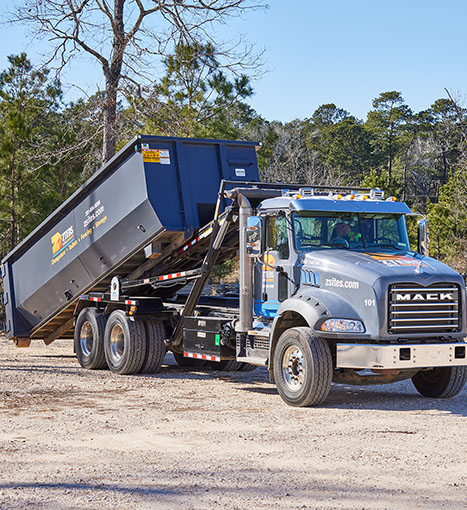 We were gutting an older home, the kind where every room surprises you with a different material. I’d hired what I thought was a decent rental company, but they showed up half a day late with a rusted container that couldn’t handle the heavier debris. By noon, the sides started bowing. I had to scramble for a replacement, and the crew lost nearly two full days. That project was the first time I started taking dumpster rentals as seriously as any subcontractor contract.
These days, I work almost exclusively with Fort Lauderdale-based services that understand the unique quirks of working in this area—tight alleys, HOA restrictions, unexpected rain, and neighbors who don’t love early-morning clanging. One company saved me during a commercial cleanup in Poinsettia Heights. We uncovered several loads’ worth of old concrete footings, far more than the small roll-off I’d ordered could handle. I called the dispatcher expecting the standard “next business day.” Instead, a second container arrived in just over an hour. That kept the concrete crew moving, and we delivered the project under deadline. Moments like that shape my loyalty more than any discount ever could.
I’ve also helped plenty of homeowners who were overwhelmed the first time they rented a dumpster. The mistake I see most often is ordering a container that’s far too small. People underestimate how quickly debris compacts. I remember helping a neighbor who’d ordered a 10-yard bin for a full kitchen tear-out. By the third cabinet, he realized he’d misjudged. I called my contact and had them swap for a 20-yard. It cost more than he’d planned, but he later said it saved him a weekend’s worth of hauling to the dump.
On the commercial side, I steer folks toward companies that can commit to consistent pickup schedules. During one retail build-out downtown, the storefront had almost no space behind it, so we were swapping 15-yard bins practically every day. A missed pickup would’ve meant shutting down the job for hours. A reliable hauler understands how those little delays ripple across trades—drywall can’t hang if demo debris hasn’t cleared, electricians can’t pull wire if access is blocked, and so on.
Fort Lauderdale adds a few complications outsiders don’t expect. Sudden storms can fill a container fast, and waterlogged debris weighs more, sometimes pushing loads into overage fees. I’ve made a habit of covering bins overnight ever since a summer storm left one of mine looking like a murky swimming pool. Many rental companies provide tarps if you request them, something I recommend to anyone working during rainy months.
Access is another issue. Older neighborhoods like Victoria Park have charmingly narrow streets, but that charm doesn’t help a roll-off truck. I’ve had drivers walk a route with me before backing in, just to make sure they wouldn’t clip a gate or palm tree. The seasoned drivers—especially those who’ve worked Fort Lauderdale for years—know the tricky spots better than most GPS systems.
Over time, I’ve come to see dumpster rental not as an afterthought but as part of the project’s backbone. A dependable service keeps a jobsite clean, safe, and efficient. A poor one forces you into reaction mode, and construction already has enough surprises. In Fort Lauderdale, the best haulers are the ones who treat your timeline like their own and aren’t rattled by the unpredictability of coastal work.
I’ve seen what a smooth debris-flow system can do for a project’s momentum, and I’ve seen how badly things stall when that system breaks. My advice usually boils down to this: choose a company with experience in Fort Lauderdale’s real working conditions, communicate honestly about the volume you expect, and don’t be afraid to ask for help sizing your dumpster. The people who’ve hauled thousands of loads through this city usually know exactly what you’ll need before you do.
- Clearing the Clutter: How Rick’s Junk Removal Vancouver is Defining Professional Hauling
The sheer volume of belongings and materials accumulated over time can be surprising, leading to cluttered spaces that impact both home and work life. For the residents and businesses of the Lower Mainland, a trusted, efficient solution for this problem is essential, and Rick’s Junk Removal Vancouver has established itself as a leading provider in this demanding service industry. They offer a comprehensive suite of hauling and cleanout services that are characterized by speed, transparency, and a commitment to environmental stewardship. Their service model, which prioritizes the customer experience from initial contact through final cleanup, sets a high standard for responsible and reliable junk removal.
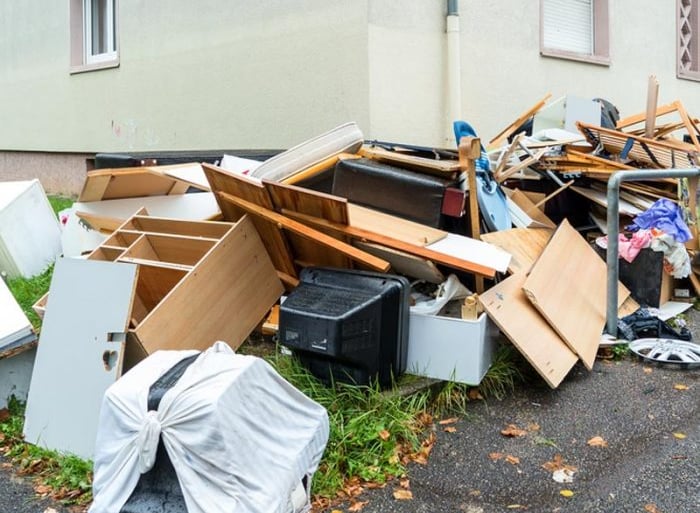
A cornerstone of the company’s reputation is its dedication to full-service, hassle-free operations. Rick’s Junk Removal Vancouver understands that for many clients, the physical act of hauling away large, unwanted items is the main barrier to decluttering. This is why their uniformed team handles all the heavy lifting, loading, and disposal, removing the burden from the customer entirely. Whether it is old furniture, bulky appliances, or packed boxes of household clutter, the customer simply points to what needs to go. This streamlined, full-service approach is appreciated across various neighborhoods, from the busy residential streets of Kitsilano to the commercial centers of Downtown Vancouver, ensuring a smooth and stress-free process for all needing junk removal.
The breadth of services offered by Rick’s Junk Removal Vancouver is specifically tailored to meet the diverse needs of a major metropolitan area. Residential clients benefit from services like household junk removal, appliance removal, and yard waste removal, perfect for seasonal cleanups or pre-move decluttering. For the thriving construction sector, the company provides essential construction site junk removal, efficiently clearing demolition debris, wood scraps, and drywall to keep projects on schedule. Commercial clients are also well-served with professional office junk removal for cleanouts after a move or renovation. This extensive service catalogue demonstrates the company’s ability to manage projects of any scale, reinforcing its position as a versatile provider of reliable junk removal.
Another major factor contributing to the company’s success is its firm commitment to transparent, upfront pricing. In the junk removal industry, unexpected fees can often lead to customer frustration, but Rick’s Junk Removal Vancouver eliminates this concern with a clear, volume-based pricing structure. Clients receive a comprehensive quote before any work begins, with no hidden charges for fuel, disposal, or labor, ensuring that the price quoted is exactly the price paid. This honest and competitive pricing model, often referred to as providing cheap junk removal in the context of value, builds trust and ensures that clients are fully informed about the cost of their necessary junk removal service before the truck even pulls away.
Beyond efficient logistics and clear pricing, Rick’s Junk Removal Vancouver places a high value on being a responsible community partner. The team adheres to strict eco-friendly disposal practices, striving to divert as much material as possible from local landfills. This involves carefully sorting collected items to identify reusable goods for donation to local charities and recyclable materials for processing at certified facilities. This commitment to environmentally responsible junk removal resonates strongly with the values of the Vancouver community, allowing clients to feel good knowing their unwanted items are handled with sustainability in mind, a critical component of modern junk removal.
The operation’s local roots and focus are also key advantages for Rick’s Junk Removal Vancouver. As a locally owned and operated business, the team possesses an intimate knowledge of Vancouver’s geography, traffic patterns, and municipal disposal regulations, which translates into faster, more efficient service delivery. This local expertise, combined with the flexibility to offer same-day service when scheduling permits, allows the company to respond quickly to urgent client needs. Being a small, local business also allows Rick’s Junk Removal Vancouver to maintain a personalized level of customer service, fostering relationships that go beyond a single transaction.
Customer feedback consistently highlights the professionalism, punctuality, and friendliness of the crews, showcasing a dedication to superior customer service. Testimonials often praise the team for arriving on time, working quickly, and leaving the cleared space immaculate, which is the ultimate goal of any junk removal service. Whether it is a full estate cleanout or the removal of a single bulky item, the company’s commitment to making the process easy and positive shines through. This consistent track record of positive customer experiences solidifies the standing of Rick’s Junk Removal Vancouver as a reliable and highly recommended provider in the region.
In an urban environment where space is at a premium and time is a valuable commodity, professional assistance for managing waste and clutter is indispensable. Rick’s Junk Removal Vancouver offers an essential service that is more than just hauling—it is a comprehensive, efficient, and ethical solution for reclaiming space. By combining transparent pricing, a full suite of services, environmental responsibility, and genuine local expertise, the company continues to excel, offering the city’s residents and businesses the professional junk removal they need to keep their properties clean and clutter-free.
- Dumpster Rental in Overland Park: Your Guide to Convenient Waste Management